AutoDock
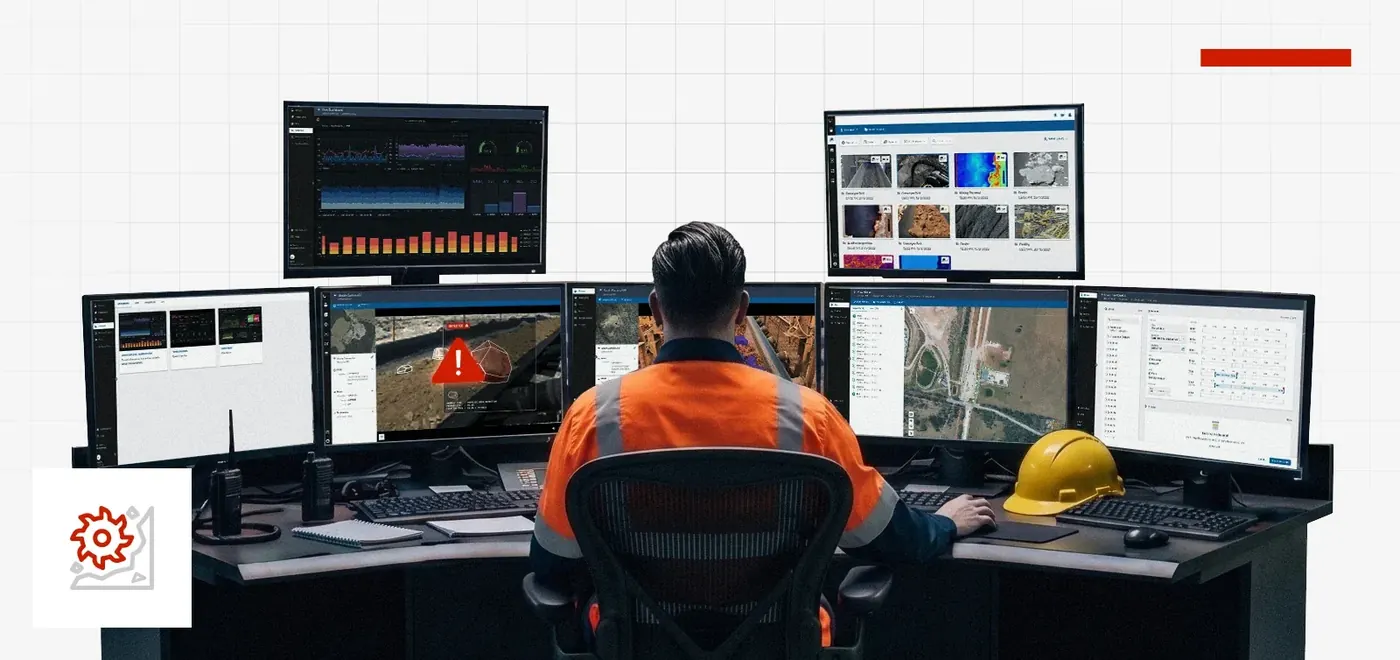
Remote, unattended drone operations from your central command center.
- Automated ops
- Live and interactive
- Safe by design
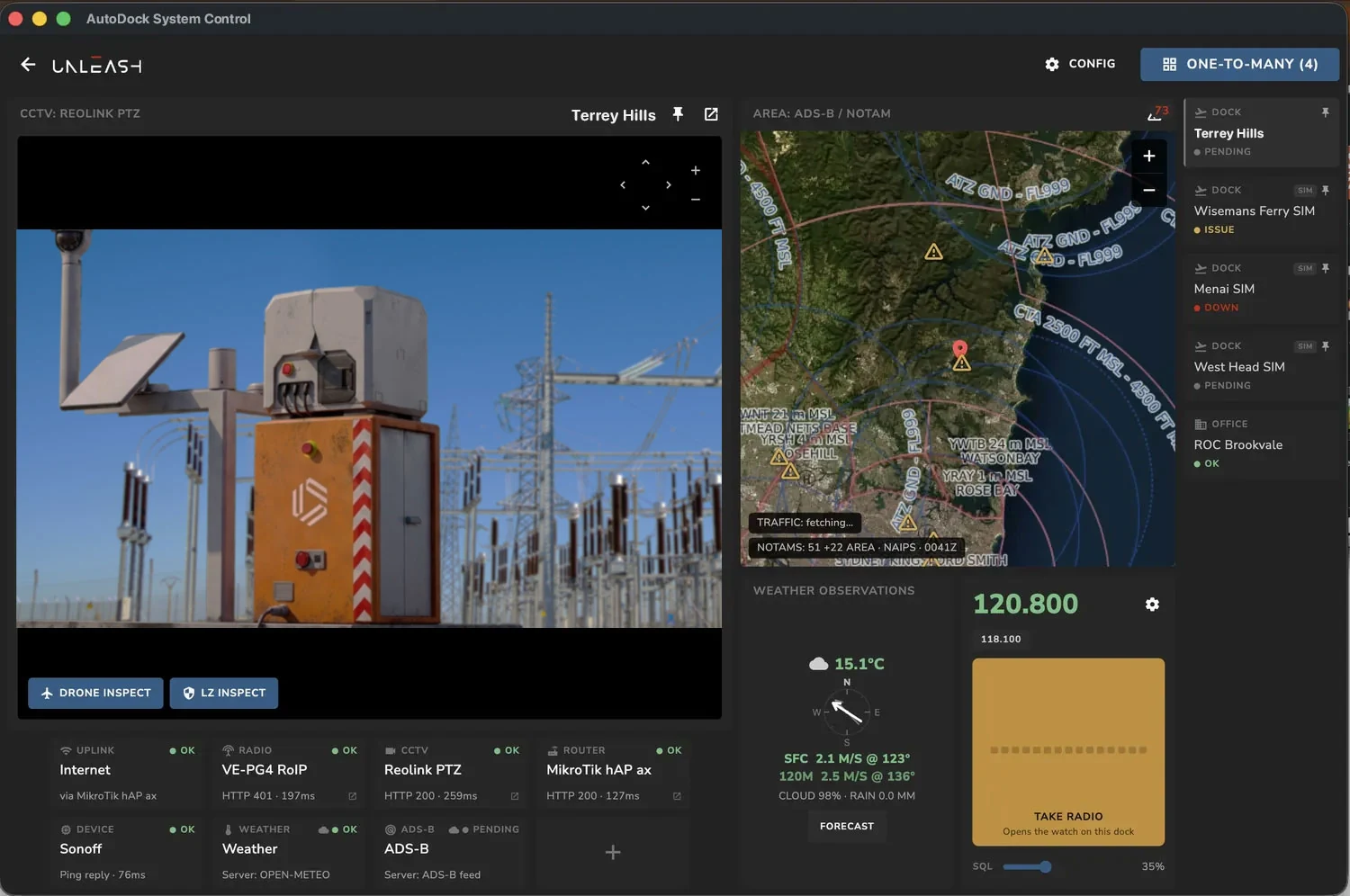
AutoDock turns a DJI Dock on your site into an automated capture point for Orb inspections. It ships with the AutoDock System Control Software, which manages the station itself, so the site runs hands off in isolation.
Plan a mission, fly it from any authorized browser, and route the visual data into Unleash Live for detection and review.

Operators using Unleash Live










With AutoDock the workflow becomes automated, and the turnaround collapses.
A dock at the asset does not change the stages. It automates them, and removes the weeks that sit between a need being raised and the data being ready to act on. The asset is digitized and analyzed around the clock,
with nobody on site.
You won't feel like you are in four places at once; you will be.

vs

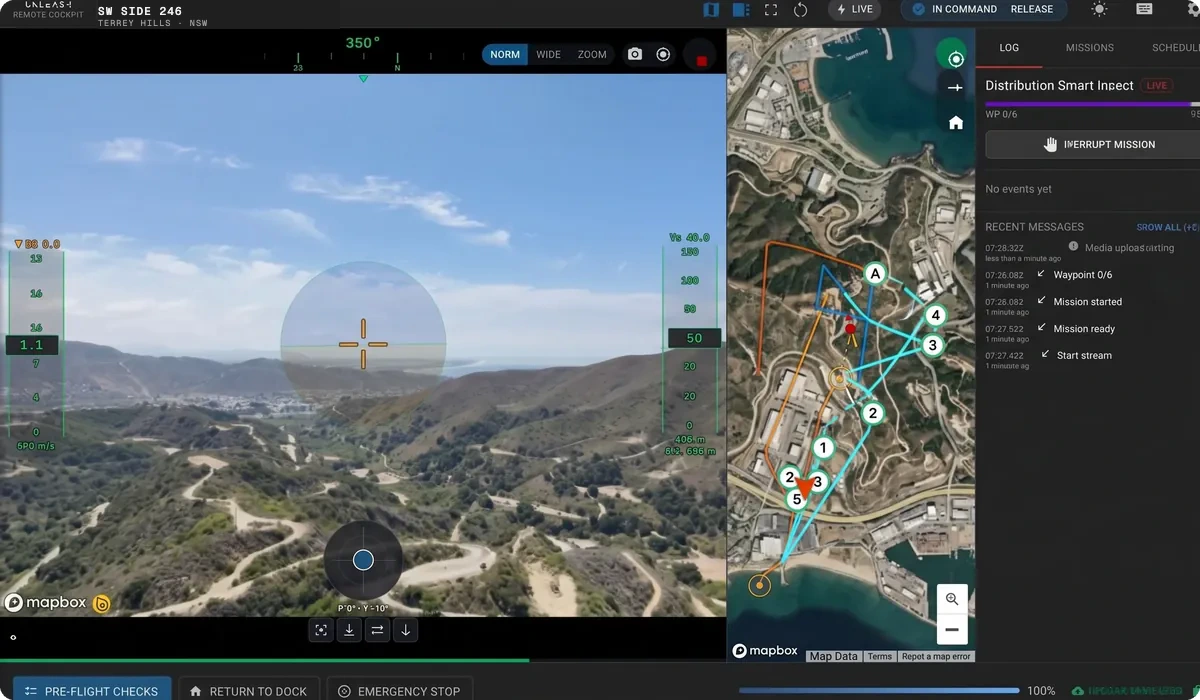
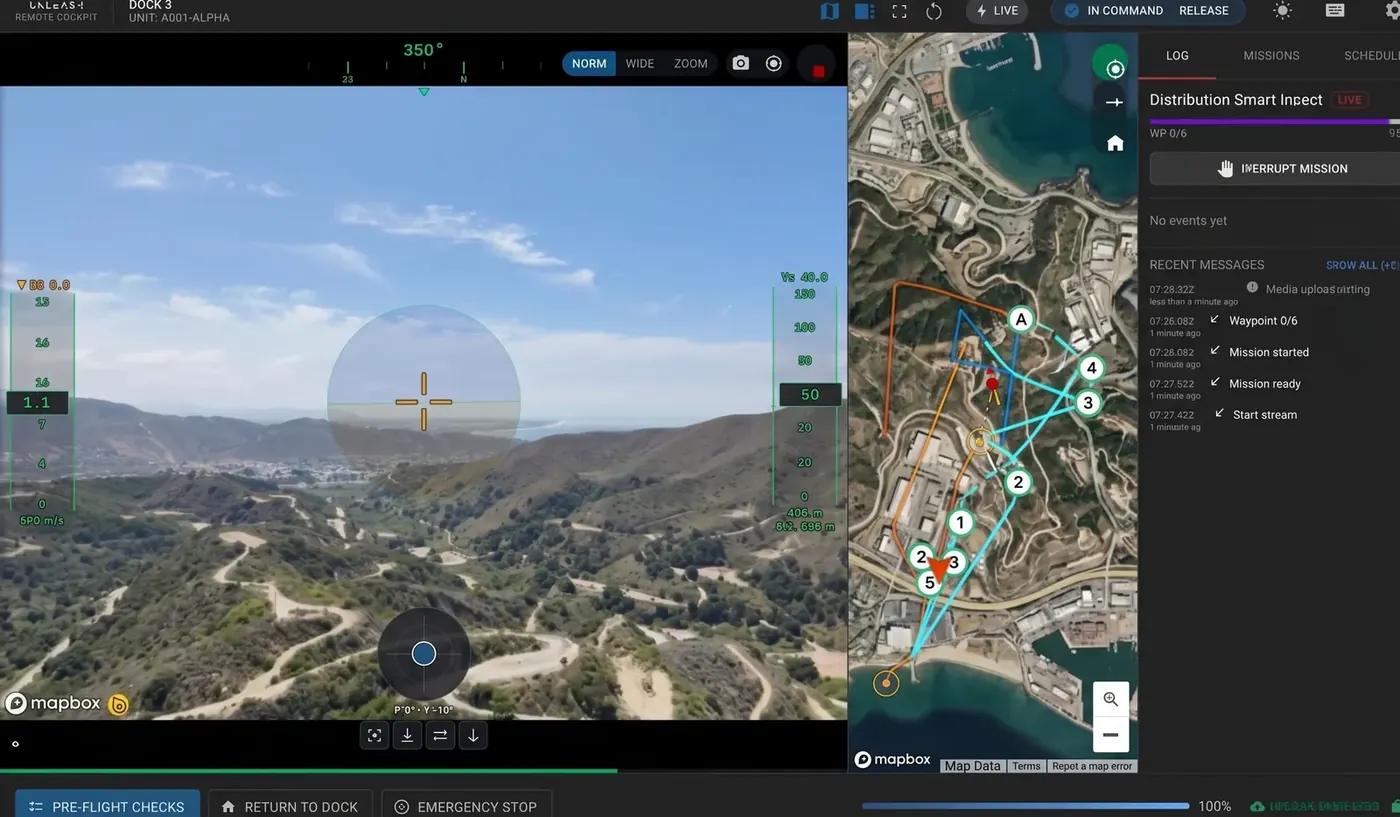
Live video, flight instrumentation and the mission map, in one browser. Nobody is at the asset.
AutoDock Remote Cockpit
Fly many sites from one location
No ground station in a truck. Any authorized browser becomes the cockpit, so the operator stays in the office, in a climate-controlled room, away from heat, cold, noise and the fatigue of a day in the field. One person can be in several places at once, with no transit time between them.
Low-latency HD across wide, zoom and thermal capture.
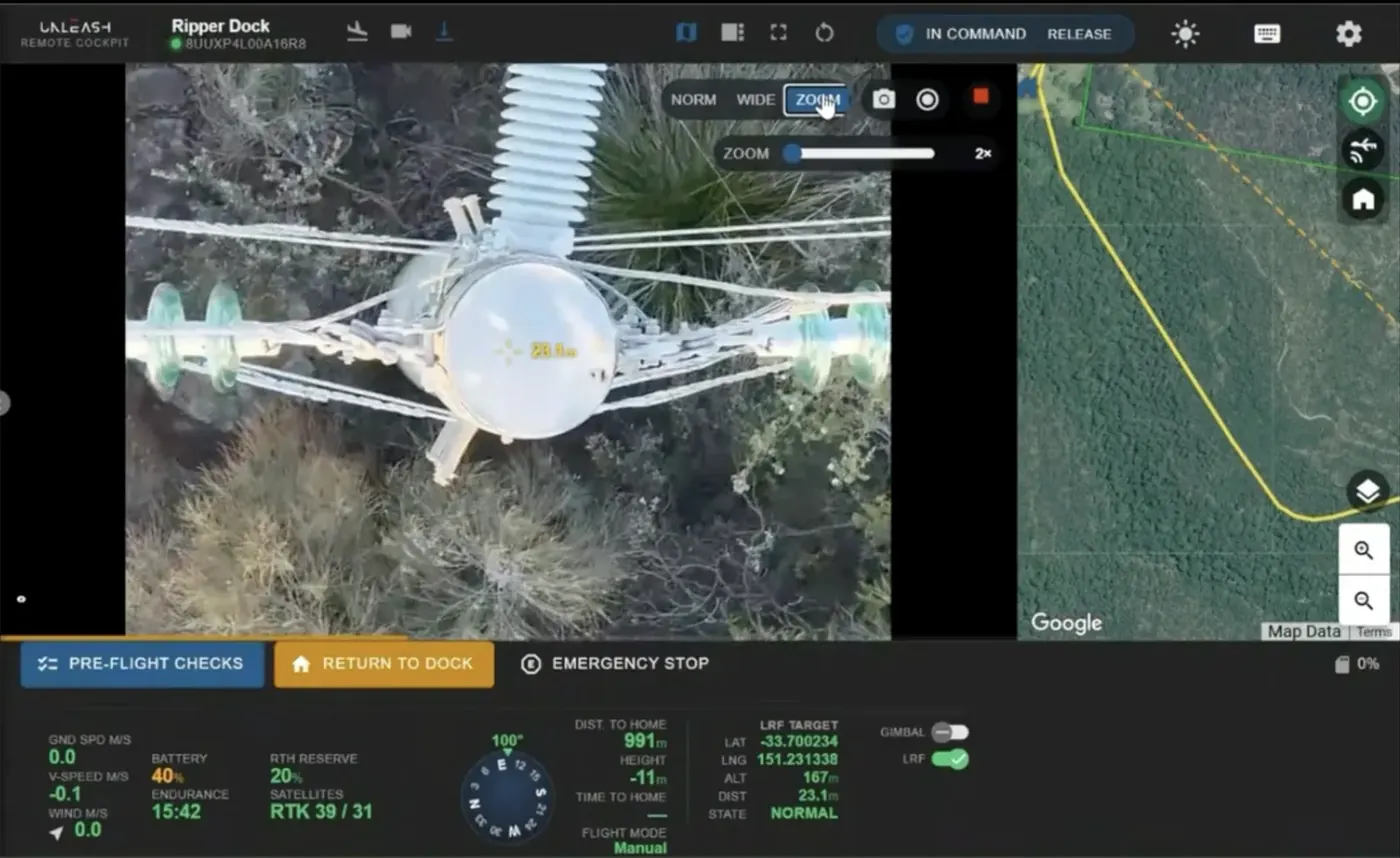
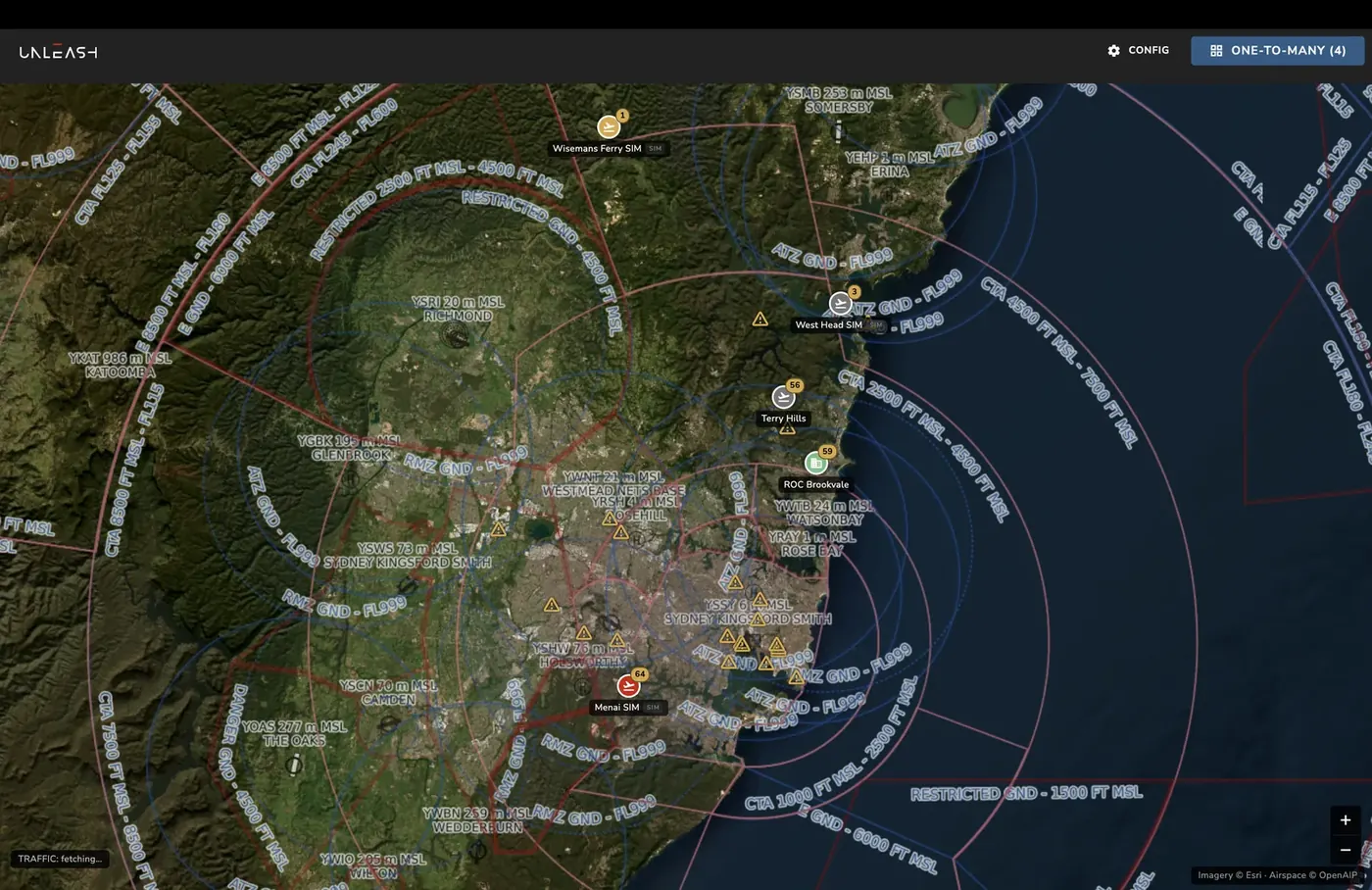
Speed, altitude, heading, battery, GPS and RTK, wind, time to home, and geographic NOTAMs in plain English.
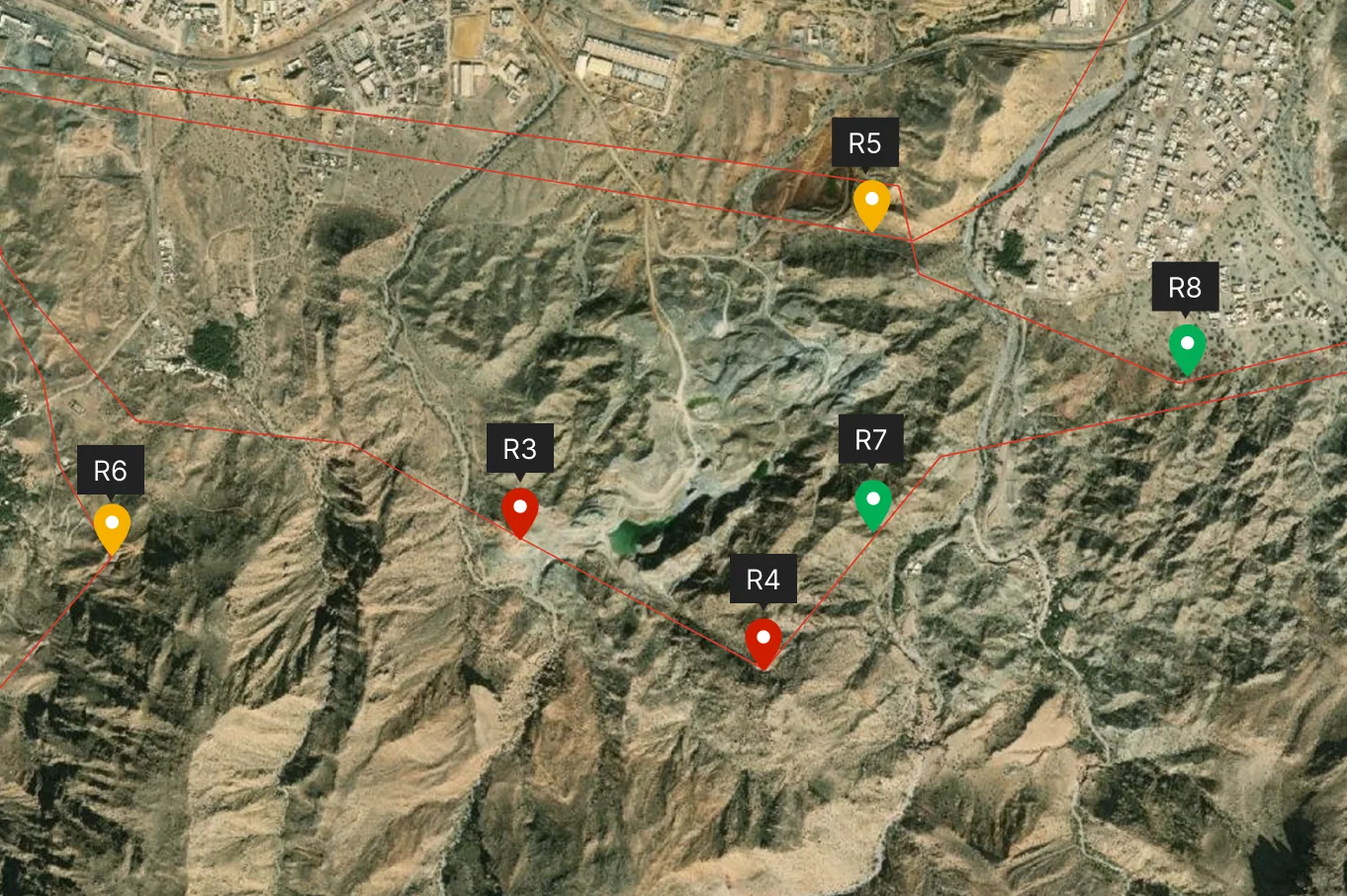
Tap to select a capture point while the aircraft is flying. See other aircraft and drones in the area, and tap any of them for a callsign.
One operator flies. Everyone else observes, with no ambiguity about who has control.
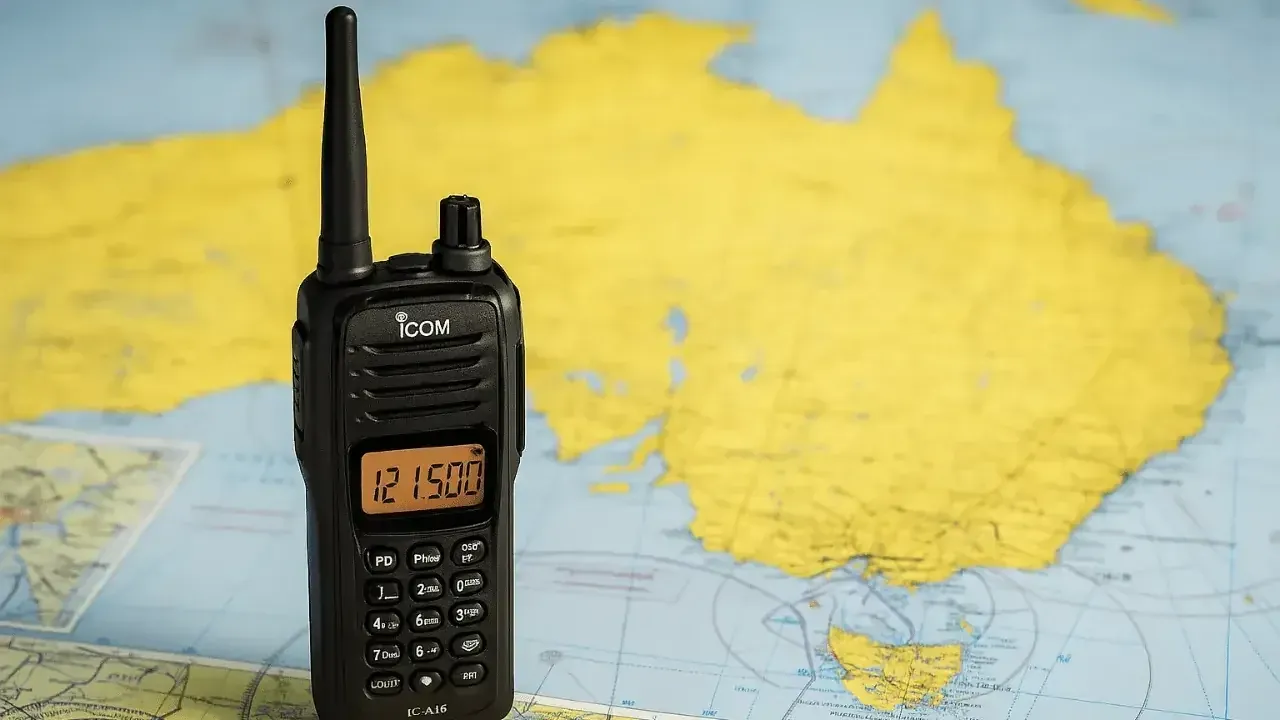
A certified RoIP Icom radio at the station, so the operator can aviate, navigate and communicate from the command center.
Every station in one view, with status, faults and connectivity across the fleet.
Select the hardware for your requirements
Sites differ. A substation on the edge of a city and a mine site four hours from town need different hardware, even when the inspection looks identical on paper.
The dock, the cabinet and the mast are standard. The rest we spec with you: how it gets power, how it gets a signal, what it needs to see, and what the airspace asks for. Tell us the site and we will take it from there.
AutoDock supports the DJI Dock 3 and the Skydio Dock. The software runs the same whichever combination you land on.
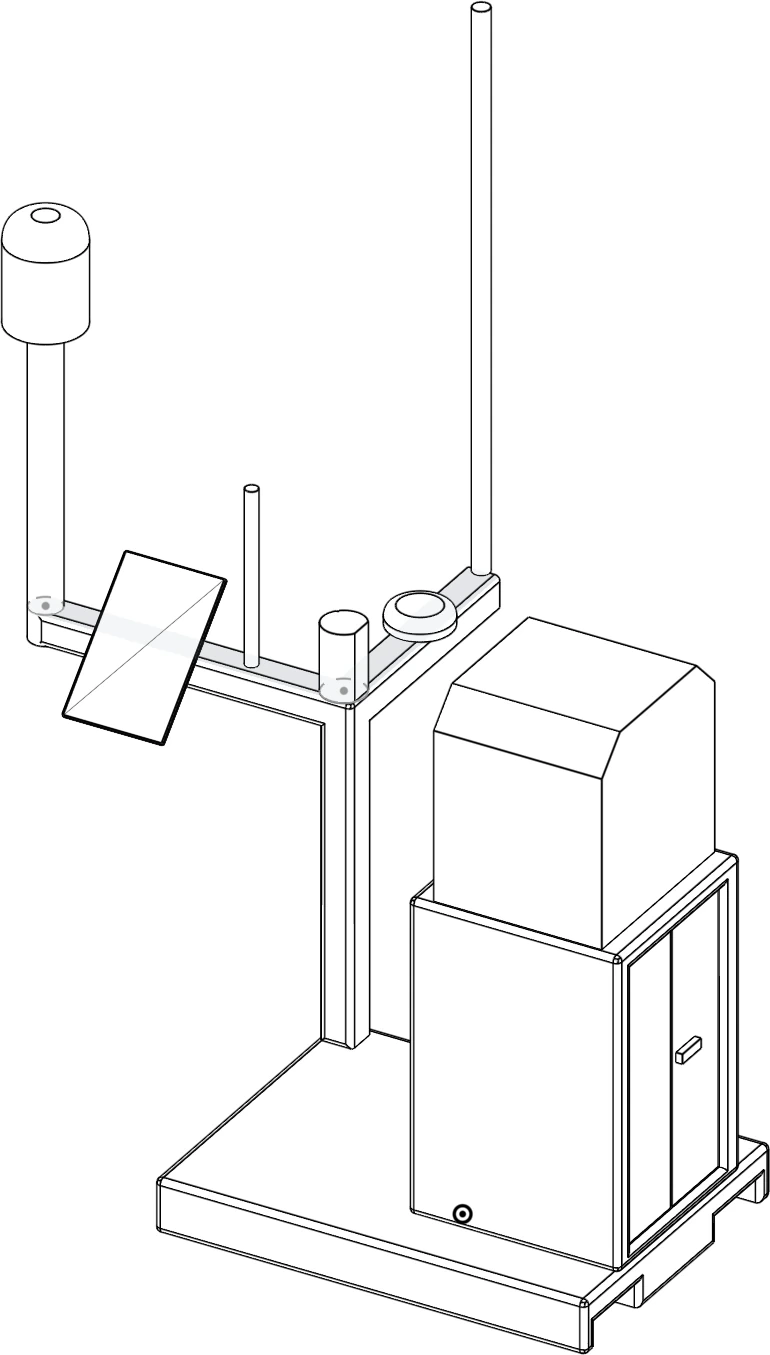
01 / 10
VHF airband antenna
Certified RoIP Icom radio, so the operator can talk to the airspace
02 / 10
PTZ camera
Site security overwatch, and a visual pre-flight inspection before launch
03 / 10
ADS-B antenna
Traffic awareness around the station and along the route
04 / 10
5G antenna
Failover uplink when the primary link drops
05 / 10
Weather station
Conditions measured at the station, not a regional forecast
06 / 10
Starlink
Primary uplink, so a site works where there is no fixed line
07 / 10
DJI Dock 3
Base build. The aircraft lives here, charged and ready
08 / 10
Cabinet
Server, battery and UPS, all reachable from the System Control Software
09 / 10
Transport skid
Base build. The station ships and lands as one piece
10 / 10
Power in
240V, generator, PV solar or UPS redundancy
AutoDock's System Control Software is flight-ready before the request lands.
AutoDock ships with the System Control Software, the on-site hardware layer. It runs full system health checks continuously rather than at the moment a mission is tasked, so the station's condition is already known when the job arrives. Faults are seen and triaged from the command center, and most maintenance and hardware error handling happens without a truck roll.
VHF airband radio
Listen and transmit on airband from the command center.
ADS-B
Traffic awareness around the station and along the route.
Starlink with 5G failover
Connectivity that holds up where there is no fixed line.
On-site weather
Local conditions at the station, not a regional forecast.
PTZ camera
Site security overwatch, and a visual pre-flight inspection of the aircraft before it launches.
Together, the AutoDock Remote Cockpit and the AutoDock System Control Software manage your fleet of remote dock stations from one central location, enabling one-to-many BVLOS Dock 3 operation the way the regulator expects.
Built for your industry's assets

Emergency Response
Incident dispatch, thermal search and night operations.
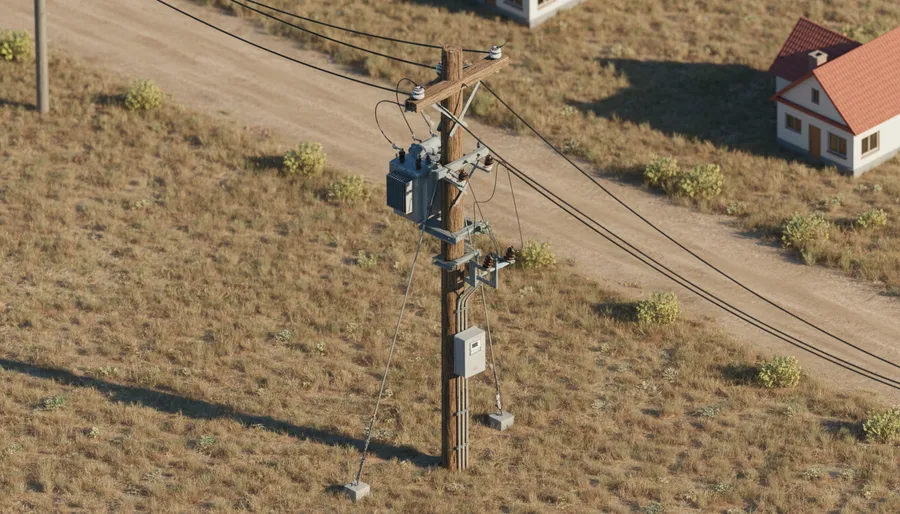
Energy
Transmission and distribution networks, solar and wind farms.
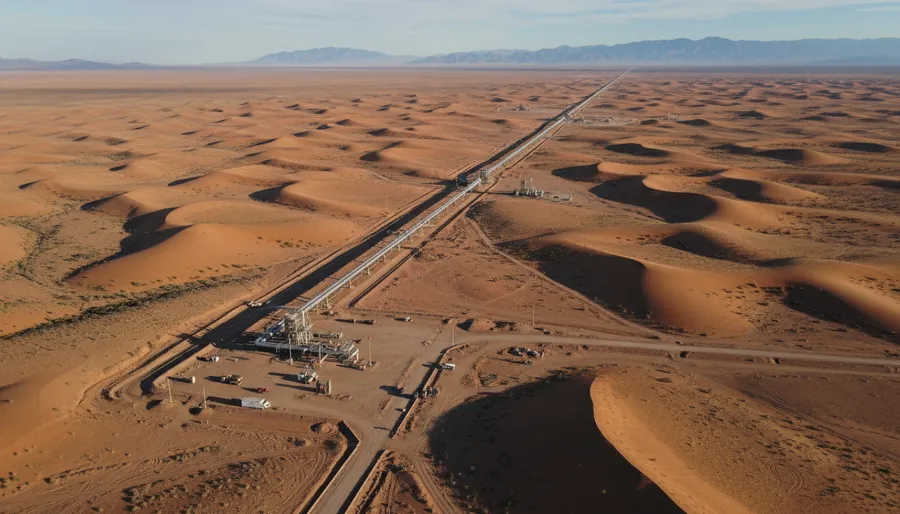
Oil & Gas
Pipelines, processing facilities, offshore structures.

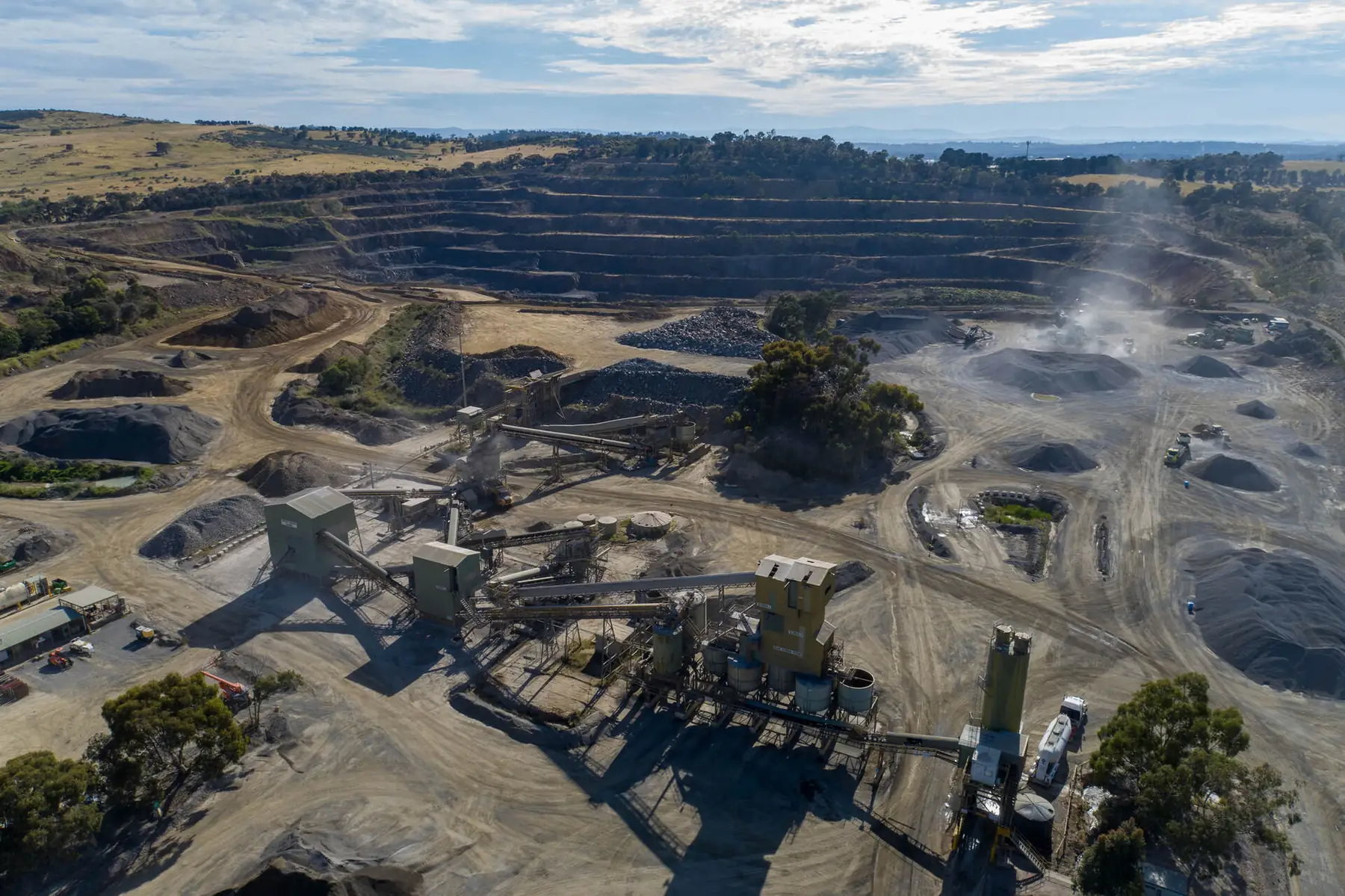
Mining
Processing facilities, conveyors and machinery.

Transport
Aerial, water and road based mobility.
Approvals and airspace
Worried the approvals will take longer than the rollout?
That used to be the problem. It is not any more. The regulatory framework has modernized, and for most assets BVLOS approval is far less involved than it was even a year ago. There is often an expedited pathway, so approvals are no longer the thing holding a rollout up. AutoDock has containment and operational procedures built in, and is SORA, CASA and FAA pathway ready.
Approvals as a service
- Approval consultationOn request, from the first conversation
- Expedited pathsAvailable in many cases
- ContainmentDesigned in, not bolted on
Operational safeguards
- Pre-flight checklistStation and aircraft must pass
- Signal-loss protectionDefined behavior if the link drops
- Emergency stopAvailable to any observer
The analytics bridge
- CaptureFrom the dock
- Media DriveIngested and indexed
- Unleash LiveDetection and review
Frequently Asked Questions
Which docks does AutoDock support?
DJI Dock 3 and the Skydio Dock are supported today.
Do we need our own BVLOS approval?
Approval sits with whoever holds the operating certificate, either your own team or a partnered service provider. Unleash Live can provide operational approval consultation on request, so the regulatory path is worked out alongside the deployment rather than after it. In many cases we partner with drone service providers who can assist with expedited approvals.
What happens if the connection drops mid-flight?
The aircraft follows its defined signal-loss behavior. Connectivity is Starlink with 5G failover, and the station reports link health continuously through the System Control Software. If the link becomes unstable, the aircraft is commanded to return to home safely.
Who maintains the dock?
The System Control Software handles the majority of maintenance and hardware error handling remotely. Scheduled on-site servicing is available as an option.
Can more than one person watch a flight?
Yes. One operator holds command and flies, and everyone else observes the same feed. We do not charge per viewer, so as many people in your team as you need can watch the live feed at no extra cost. Every live feed is recorded into your database for review.

