Computer Vision for Airport Operations - Part 7 'Curbside Arrivals'
Unleash Live·13 August 2024
In this exclusive airport operations series, we share details of our computer vision Use Cases within each stage of the Airport Passenger Journey. Today we take a look at Part 7 'Kerbside Arrivals' and how to streamline and enhance the customer experience.
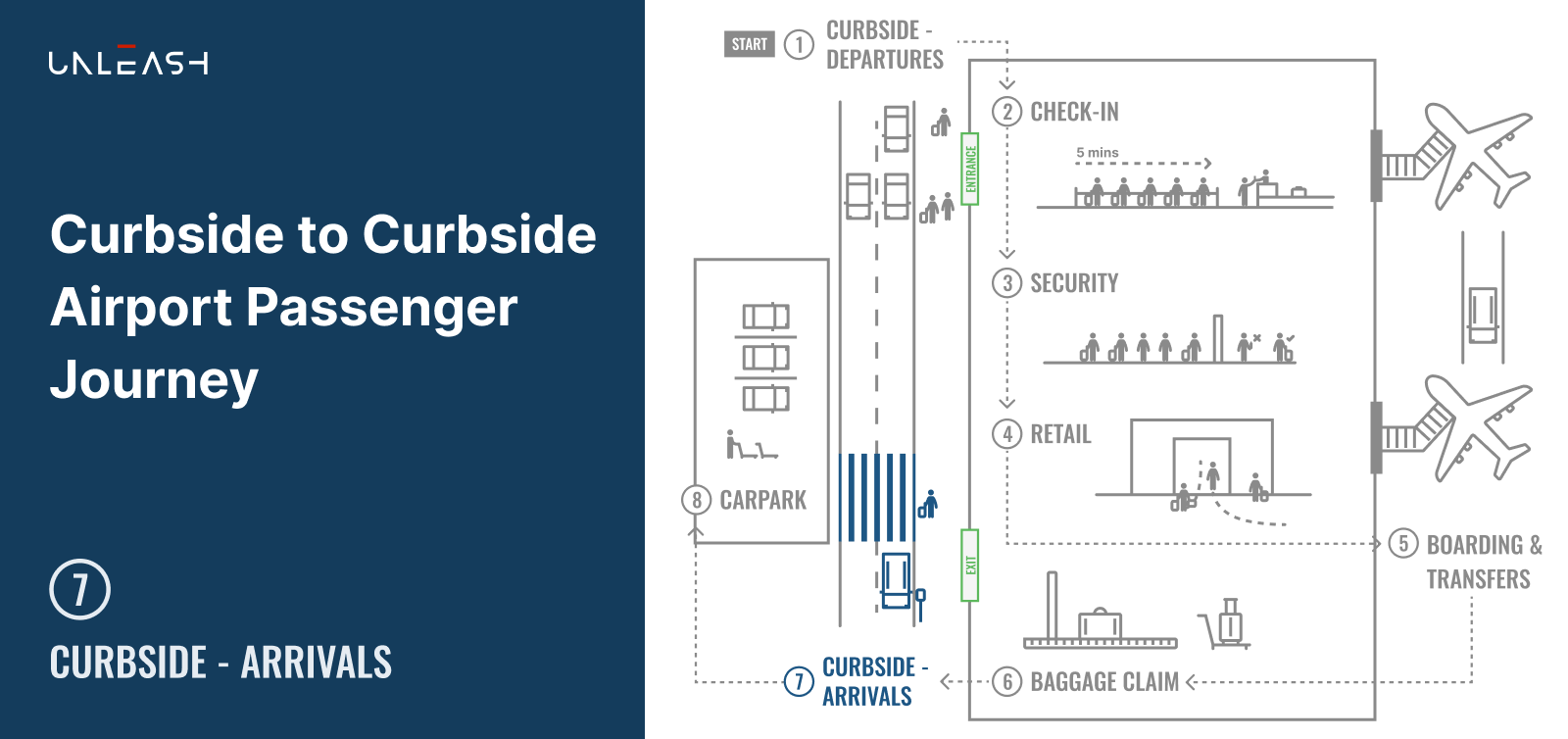
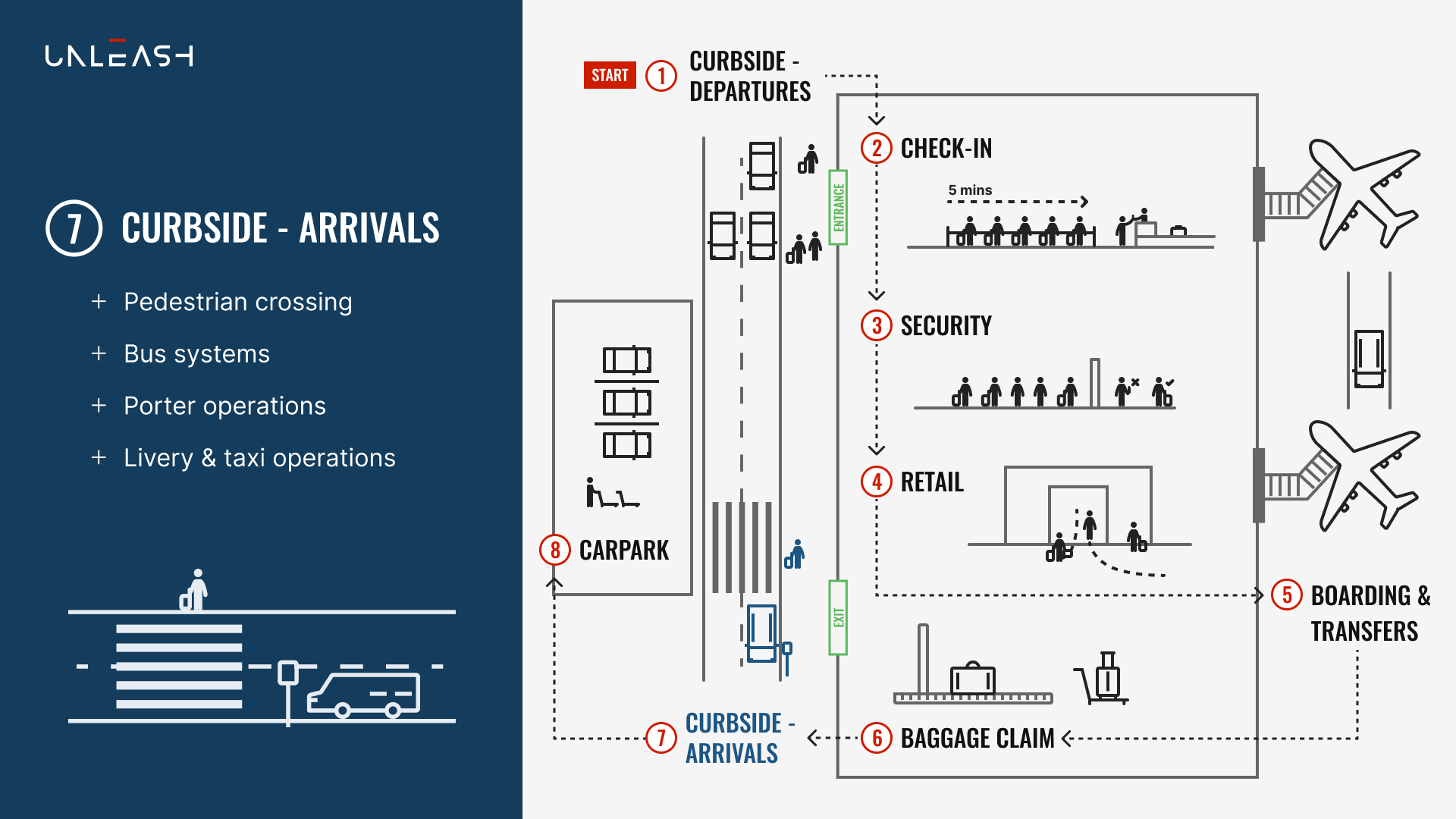
Curbside to Curbside Airport Passenger Journey
Airport - curbside to curbside use cases 7
Airport Passenger Journey Workflow - Part 7: Curbside Arrivals
Part 7 - Curbside Arrivals
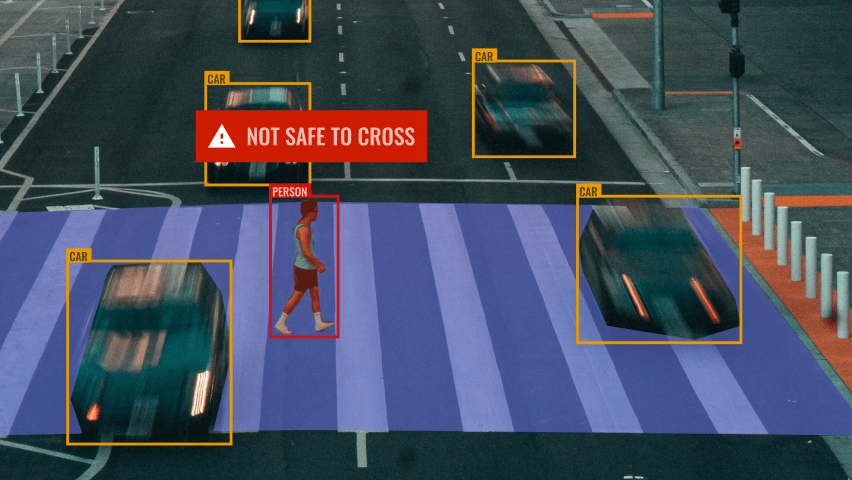
Identify pedestrians crossing at unsafe intervals
Pedestrian Management
Most passengers arrive from their flights distracted, exhausted and anxious to be on their way. Utilise computer vision to implement smart crosswalks including deploying longer crosswalks and red lights to ensure their safe crossing.
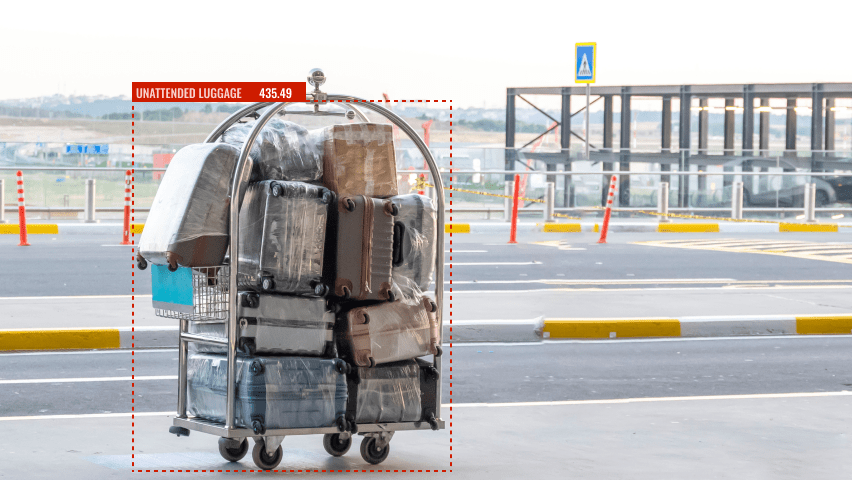
Quickly identify unattended baggage at arrival kerbside areas, using advanced technology for efficient and timely management.
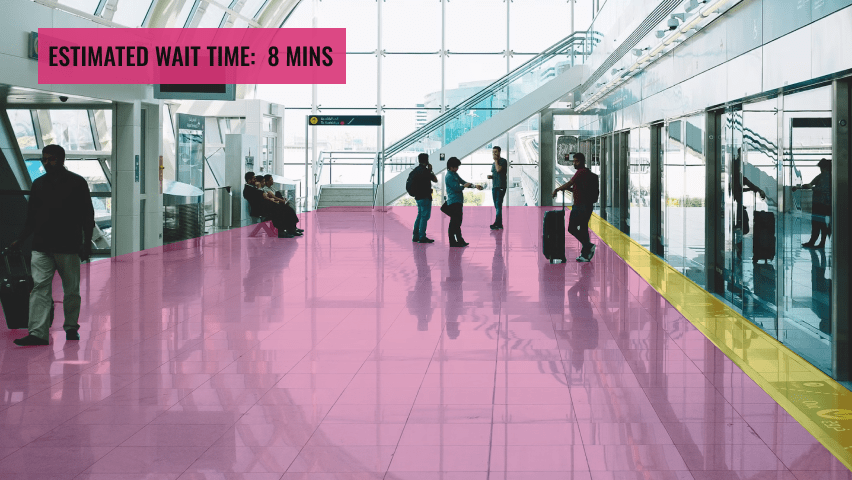
Estimate wait times based on count of passengers
Inter-Terminal Transportation
Employ AI to detect stranded passengers and estimate waiting times for buses, trams or monorails.
Enhance revenue and stability by utilizing existing camera networks to monitor carriage and bus capacity swiftly.
Maximize efficiency to ensure on-time baggage and gate departures, positioning your ground transportation unit as a key player.
Locate un-racked carts automatically, in real time
Porter & Baggage Management
Cart finding is a full time job at most airports! Track and locate un-racked baggage carts across the entire precinct, optimizing cart retrieval efficiency using cameras and GIS tools.
Monitor real-time passenger movements airport-wide to allocate arrival area resources effectively. Direct porters and staff to high-traffic areas based on real-time needs versus predefined rosters.
Track vehicle queues and manage congestion using existing cameras
Livery & Taxi Operations
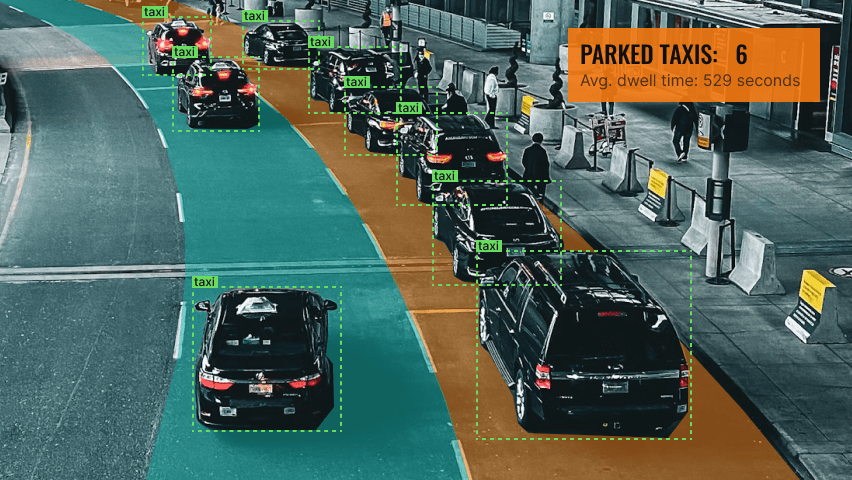
Manage congestion in livery areas efficiently. Utilise real-time data to request additional vehicles or halt dispatch, supported by a dashboard displaying the number of commercial vehicles queued and enabling prompt adjustments.
Ensure accurate and purposeful zoning in arrival areas. Make data-driven decisions to optimise livery zones, lane utilisation and ride-share allocation, adapting to current capacity needs.